You can watch the event here: https://www.youtube.com/watch?v=d4X7zr9wSP0
Venue: online
When: Saturday, 24 October 2026
Time: 10:30 CET
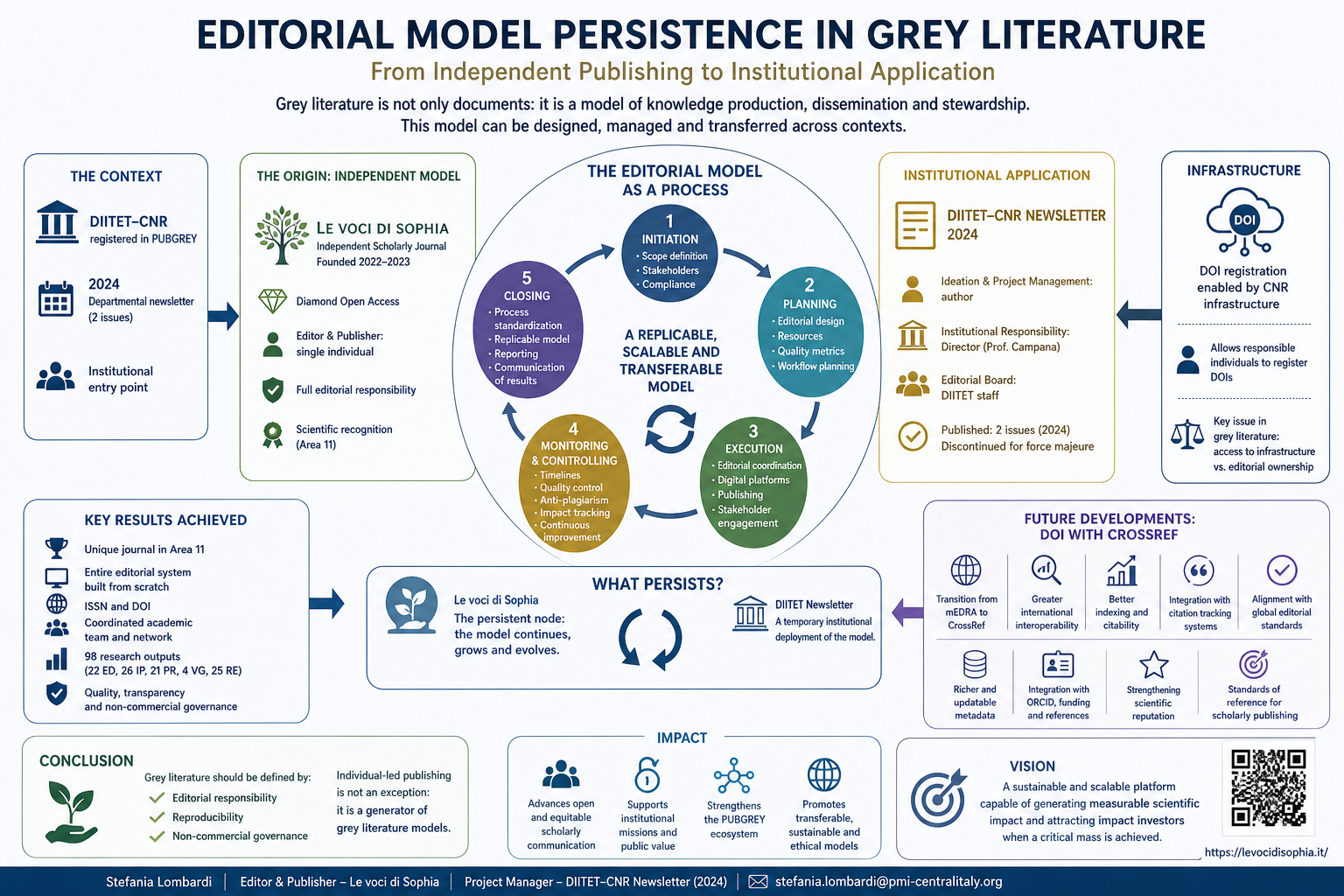
Brief: On the occasion of International Open Access Week, this presentation showcases Le voci di Sophia as a real-world example of an independent Diamond Open Access journal. Through the demonstration of key performance indicators (KPIs), it illustrates the results achieved in building and sustaining an open scholarly publishing initiative, while examining the challenges and critical issues encountered by volunteers along the way. The experience highlights both the potential of a fair, inclusive and community-driven model of scientific communication and the practical conditions needed to make it sustainable over time.
Description: A Diamond Knowledge Is Possible
How can an independent scholarly journal build credibility, achieve scientific recognition and remain accessible to everyone without charging authors or readers?
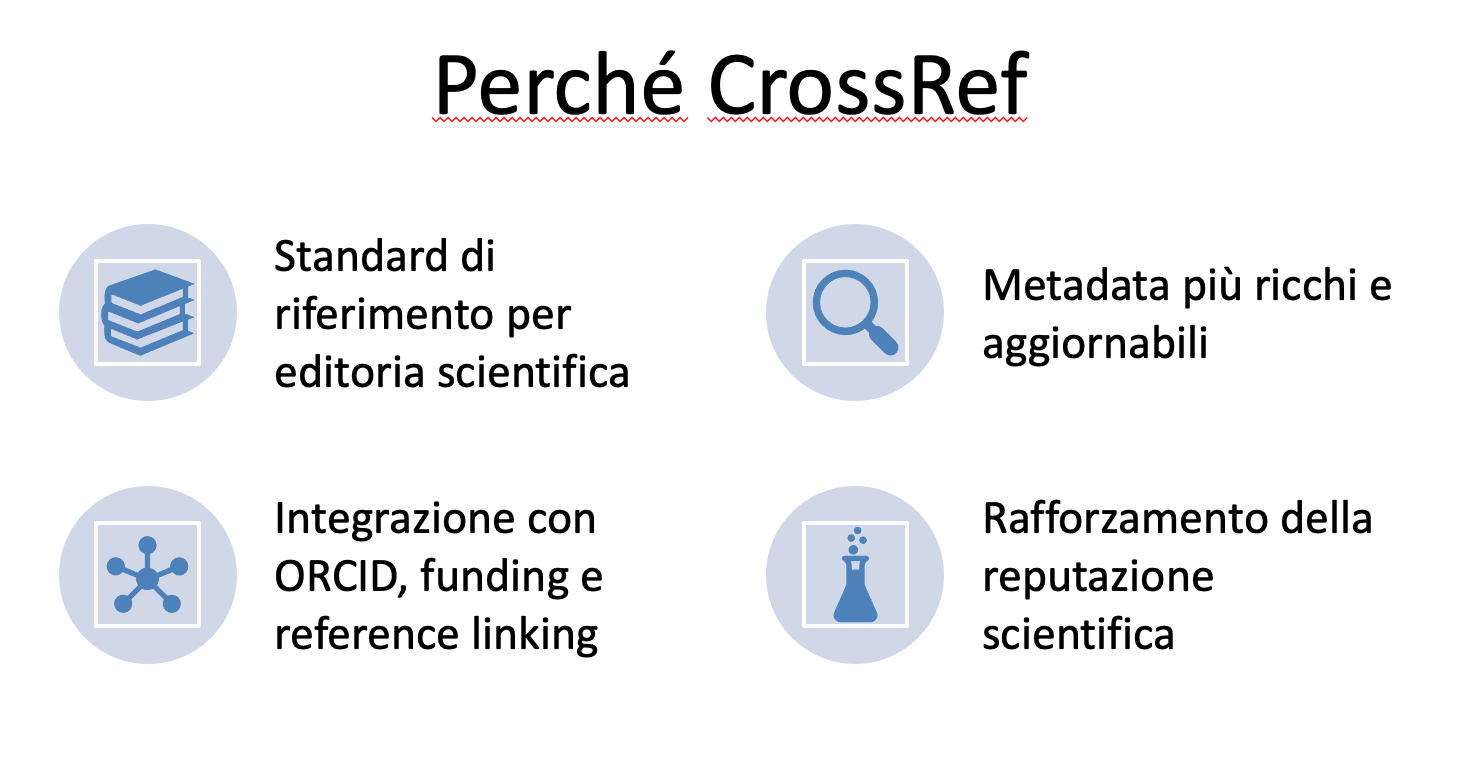
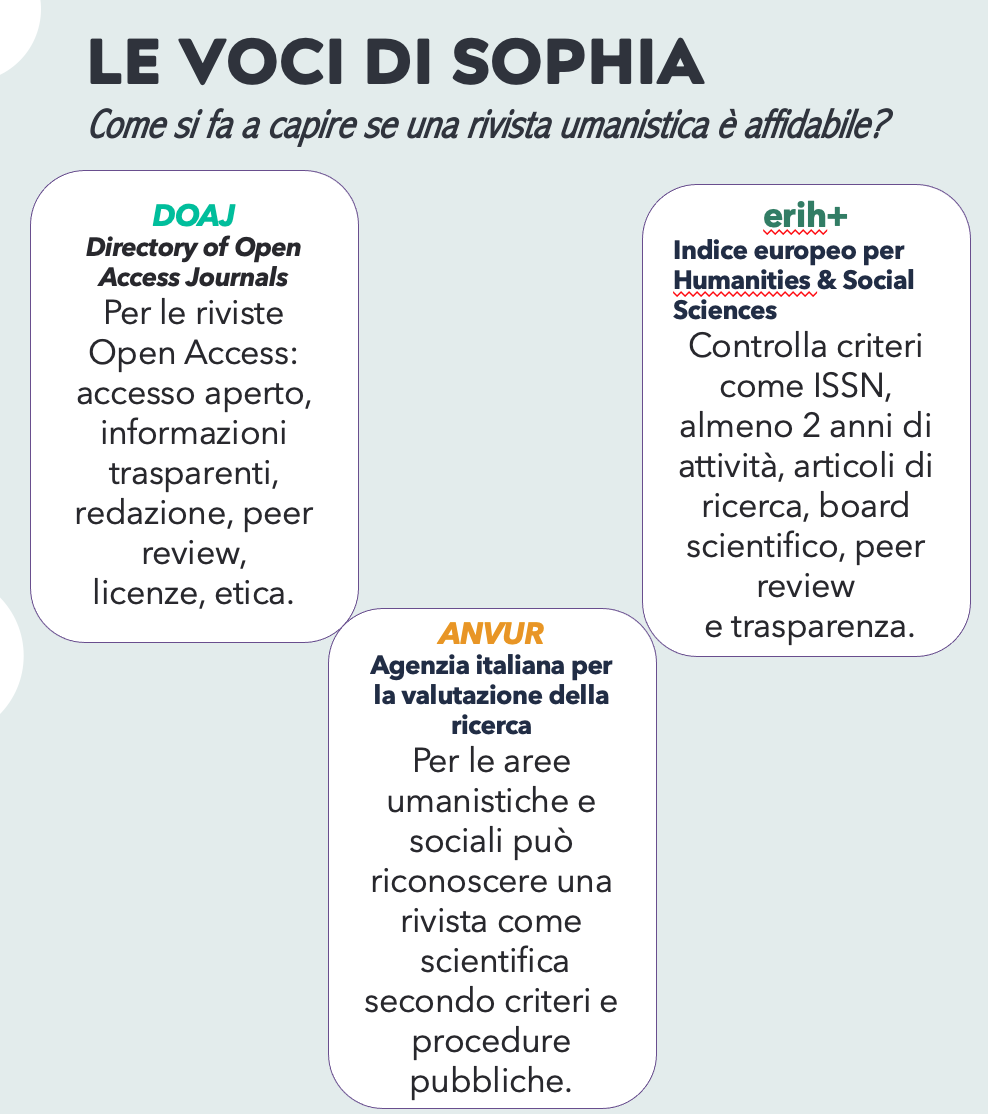
Drawing on the experience of Le voci di Sophia, an independent Diamond Open Access journal in philosophy and the humanities, this presentation explores the achievements, performance indicators (KPIs) and challenges of building a scholarly publishing initiative from scratch. It showcases tangible results, including inclusion in DOAJ and ERIH PLUS, recognition as a scientific journal by ANVUR for Area 11, Crossref membership and the development of rigorous editorial and double-blind peer-review procedures.
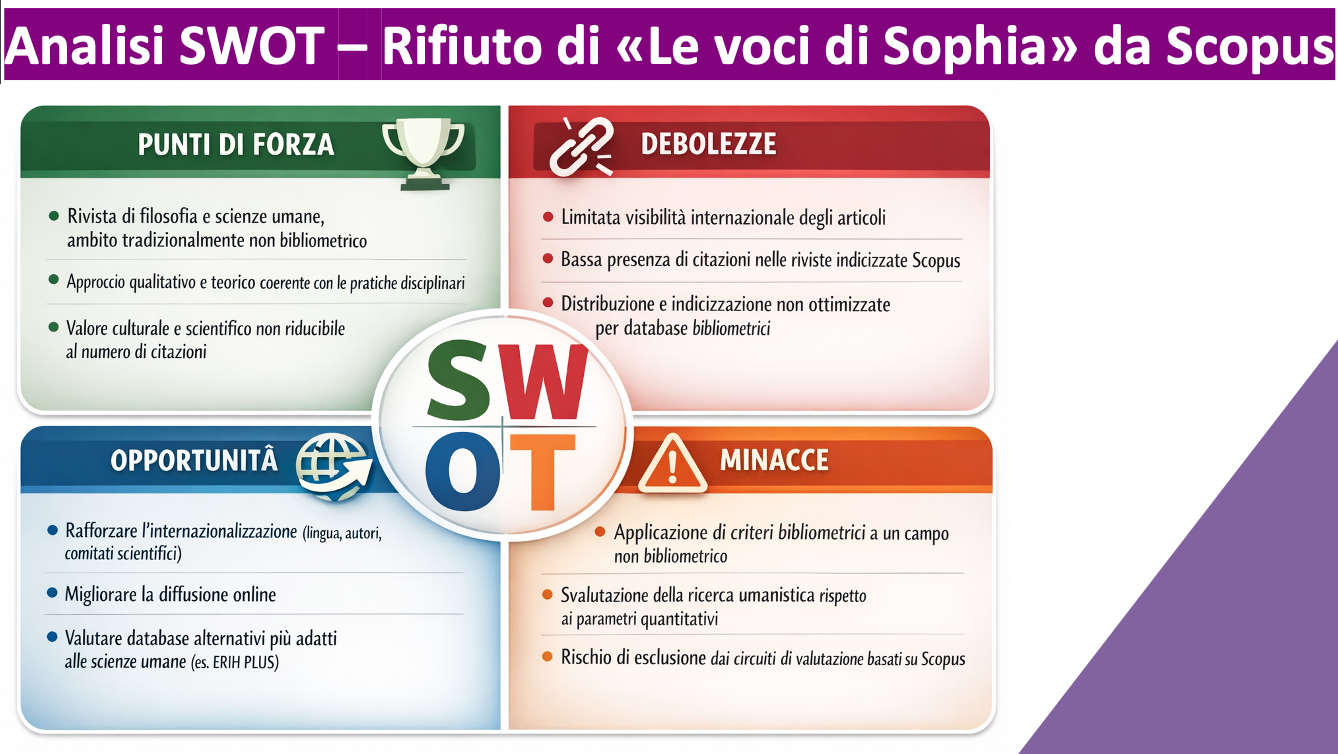
Beyond achievements, the presentation examines the challenges encountered by volunteers in sustaining the journal, from editorial workload and limited resources to international visibility, metadata quality and the limitations of citation-based evaluation in the humanities. The case of the journal’s rejection by Scopus provides an opportunity to discuss the tension between qualitative scholarly value and quantitative assessment criteria.
By connecting practical experience, measurable outcomes and critical reflection, the presentation asks what it takes to build a credible, inclusive and sustainable model of scholarly communication — and why a different, community-driven approach to knowledge production and dissemination is possible.